
RSVP
Free. RSVP through Sun Devil Central.
Add to Google Calendar
Calendar reminder only. RSVP separately.
AEE at ASU® · Association of Energy Engineers
We visit engineering facilities, meet industry engineers, and run technical workshops. Open to all majors—no experience needed.
Any major, no dues. Join AEE
Free. RSVP through Sun Devil Central.
Calendar reminder only. RSVP separately.
· Community
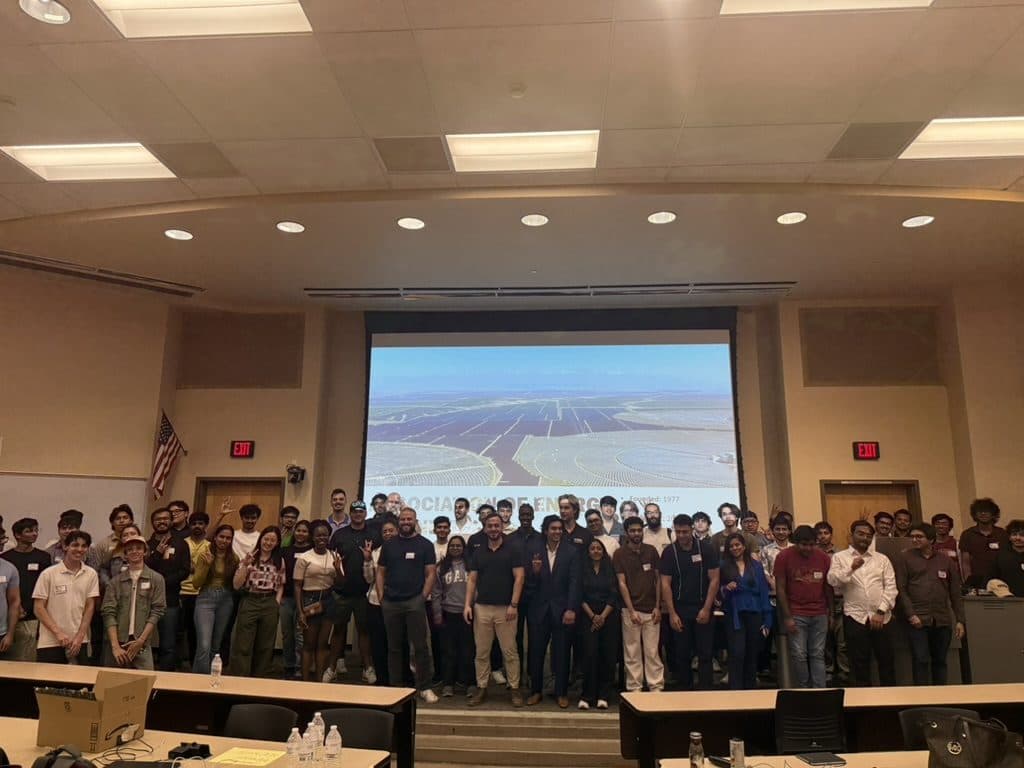
A town hall and mixer held jointly with IEEE-HKN. Come meet members of both organizations.
· Industry
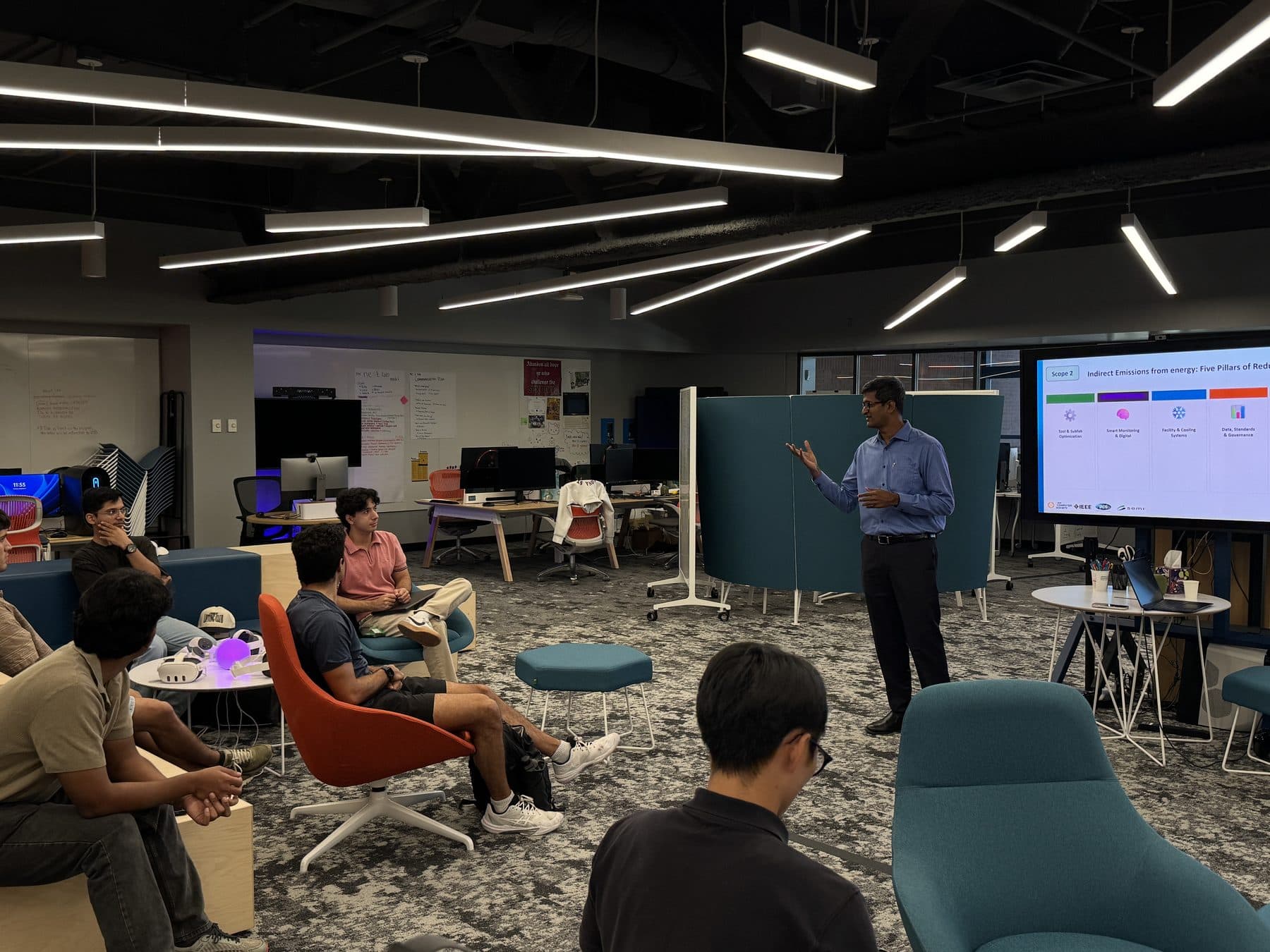
Rony David Mathew of Applied Materials on semiconductor manufacturing, industry trends and careers in advanced technology, followed by questions from students.
· Competition
Our 24-hour energy hackathon. Four tracks, real challenge statements from industry, mentors on the floor overnight, and judging Sunday morning.
Industry talks, technical workshops and site visits across power systems, semiconductors, solar, batteries and data centers. Our members come from engineering, sustainability, business, computing, science and policy.
How electricity gets made, moved and paid for, and what it takes to keep the Arizona grid up in August.
Solar and batteries, and the problems that show up once you try to run a whole system on them.
Auditing, measurement and controls. It's what AEE's certifications are built on, and it's usually the cheapest energy you can save.
Data centers are showing up faster than new generation can. Forecasting, siting, cooling, and what all of it means for Phoenix.
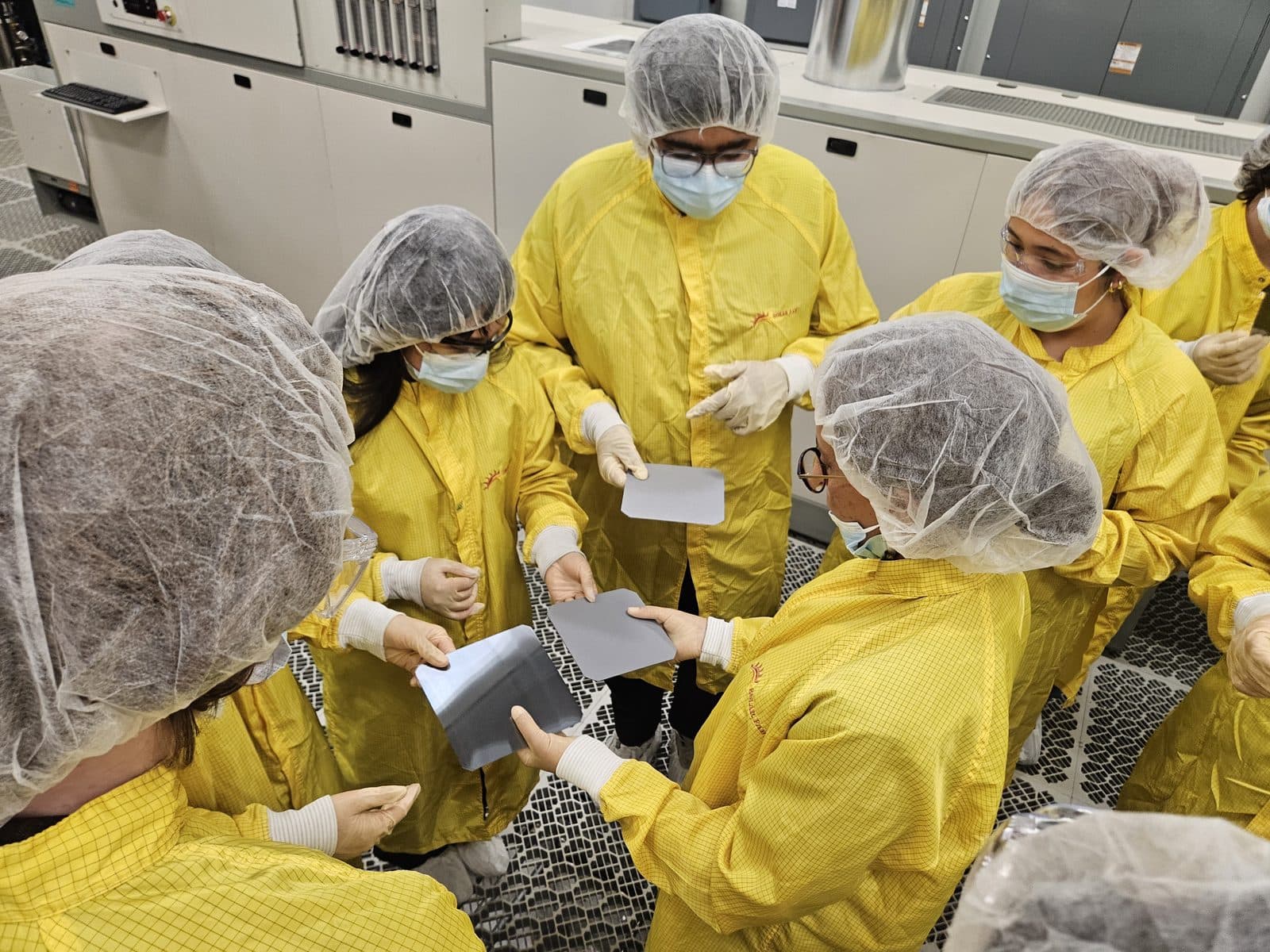
Semiconductors, power electronics, and the materials work that sets the ceiling on how efficient a device can be.
Rate design, regulation, and the companies being built around them, including the ones getting started here in Arizona.
Arizona’s power systems, manufacturing and growing energy demand shape the questions we bring to our events. These dated figures give context; follow the sources for the underlying data.
38% → 8%
Coal's share of Arizona's electricity generation, 2014 to 2024. The Navajo Generating Station, once the state's second-largest power plant, closed in 2019, and the last coal mine in Arizona shut the same year.
EIA, Arizona State Energy Profile ↗ · July 2025 (2024 data)
3,900 → 7,700 MW
Battery storage in Arizona: roughly 3,900 MW operating, with another 3,807 MW planned to come online by 2026. The state's storage fleet is set to about double in two years.
EIA, Arizona State Energy Profile ↗ · July 2025 (May 2025 inventory)
30,000 MW
Data center interconnection requests sitting in Arizona Public Service's queue, against a system that peaks around 8,200 MW. Most of that will never get built — but deciding which part does is the job.
APS, quoted in Distilled ↗ · 2026
27 %
Share of Arizona's electricity generated by Palo Verde alone — the largest power plant in the state and the second-largest nuclear plant in the country. It supplies about 4% of all US nuclear generation.
EIA, Arizona State Energy Profile ↗ · July 2025 (2024 data)
4th
Arizona's national rank in solar generation, behind California, Texas and Florida, off nearly 9,000 MW of capacity. Solar passed hydroelectric here for the first time in 2017 and reached 13% of total generation in 2024.
EIA, Arizona State Energy Profile ↗ · July 2025 (2024 data)
3 of 3
APS, SRP and Tucson Electric Power all broke their all-time peak demand records in the same week in August 2025. Every major utility in the state, at once.
Utility Dive ↗ · August 2025
6.7–12% by 2028
Data centers used 4.4% of all US electricity in 2023. Berkeley Lab puts them at 6.7–12% by 2028 — 176 TWh growing to somewhere between 325 and 580 TWh in five years.
Berkeley Lab / DOE ↗ · December 2024
4 years
US electricity demand has now risen four years running — the first time since 2007, and the strongest four-year stretch since 2000. The flat-demand era that most of the grid was planned around is over.
EIA ↗ · January 2026
70 GW
New solar capacity behind EIA's forecast that US solar generation grows 21% in both 2026 and 2027 — the largest increase of any source.
EIA ↗ · January 2026
Figures are as published on the dates shown. They move quickly, and we re-check them each semester. If you spot one that has gone stale, tell us and we’ll fix it.
Any major, no dues. You don’t need an energy background. Just be interested.
Join AEE at ASUHost a site visit, give a technical talk, or lead a workshop for ASU students interested in energy, manufacturing, and infrastructure.
Discuss an event with AEE